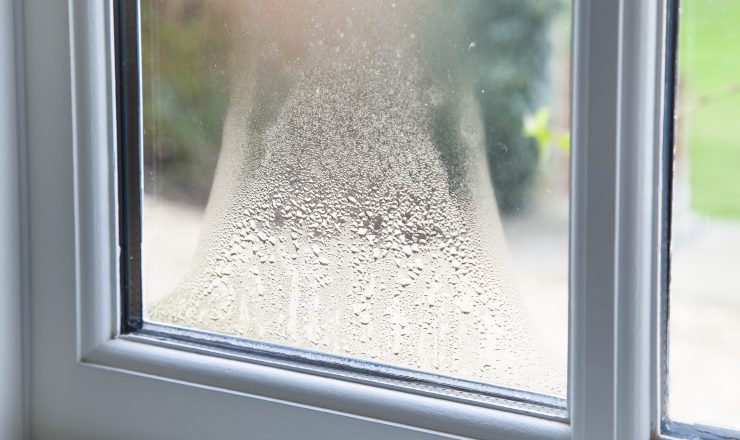
Understanding Misted Windows: Causes, Solutions, and Prevention
Misted windows can be a discouraging issue for homeowners, residential or commercial property managers, and occupants alike. This phenomenon happens when condensation develops between the panes of double or triple-glazed windows, resulting in a foggy look that can obstruct views and suggest issues with insulation. In this post, we look into the causes of misted windows, their ramifications, and the readily available solutions to restore clearness and performance to your windows.
What Causes Misted Windows?
Misted windows are mainly the result of moisture being trapped between the panes of glass in double or triple-glazed window units. While these windows are designed to offer much better insulation and energy effectiveness compared to single-pane windows, they can establish issues over time. Here are some common causes and factors associated with misted windows:
- Seal Failure: The most common reason for misted windows is the failure of the seal that separates the panes of glass. Over time, this seal can weaken due to heat, cold, and exposure to numerous weather conditions.
- Age of Windows: Older windows are more most likely to develop misting due to the degradation of materials used in the seals.
- Temperature level Fluctuations: Extreme temperature changes can trigger the materials of the window to broaden and agreement, leading to tension and possible seal failure.
- High Humidity Levels: Excess moisture in the environment can increase the possibility of condensation, especially in locations with bad ventilation.
- Inappropriate Installation: If windows are not installed correctly, it can cause spaces and vulnerabilities that contribute to seal failure.
The Implications of Misted Windows
While misted windows may look like a cosmetic problem, they can result in a number of problems that can affect the total convenience and efficiency of a home or building:
- Decreased Energy Efficiency: Misted windows lose their insulating residential or commercial properties, which can result in increased energy intake and greater heating or cooling expenses.
- Visual Concerns: Foggy windows can diminish the visual appeal of a home, possibly affecting its worth.
- Potential for Moisture Damage: Persistent moisture can lead to mold development and damage to window frames and surrounding products.
- Reduced Visibility: Misted windows reduce exposure, making it challenging to take pleasure in the outside view and compromising safety.
Solutions to Misted Windows
When faced with misted windows, house owners have several options to consider. Here is a list of solutions that can assist bring back clearness and performance:
- Professional Repair: Many business focus on repairing insulated glass units. A professional can change the failed seal, get rid of the moisture, and restore the clearness of the window.
- Glass Replacement: In some cases, changing the whole window unit may be the best alternative, especially if the damage is substantial or if the windows are nearing the end of their useful life.
- DIY De-Misting Kits: There are products readily available for house owners who want to attempt a DIY solution. Glass Repair include drilling small holes in the window pane to drain pipes the moisture and then sealing the holes.
- Thawing Techniques: In the short-term, using a dehumidifier or a fan can help lower the moisture levels in the air, although this won't fix the underlying problem of the misting.
- Improving Ventilation: Ensuring proper ventilation in your home can help decrease humidity levels and minimize the chances of condensation forming.
Prevention Techniques
When windows have been repaired or changed, implementing preventive procedures can help in reducing the threat of future misting. Some methods include:
- Regular Maintenance: Inspect windows occasionally for signs of wear and tear, particularly around the seals.
- Use of Dehumidifiers: Installing dehumidifiers in high-moisture locations can assist maintain proper humidity levels.
- Improved Ventilation: Properly aerating areas such as cooking areas, restrooms, and utility room can substantially reduce moisture accumulation.
- Environment Considerations: If residing in areas with high humidity or severe temperatures, consider investing in top quality windows specifically designed to hold up against those conditions.
Misted windows might present a trouble, however understanding their causes, ramifications, and solutions can empower homeowners to take appropriate action. Whether opting for professional repair, replacement, or preventive methods, resolving misted windows promptly can improve the comfort, aesthetic appeal, and energy performance of any home.
Frequently Asked Questions About Misted Windows
Q: How can I tell if my windows have a seal failure?A: Signs of seal failure consist of fogging or condensation between the glass panes, visible water beads, and trouble in cleaning the interior surface area of the glass.
Q: Is it worth repairing misted windows?A: Repairing misted windows can be cost-effective compared to complete replacement, specifically if the damage is minimal and the window frame is in excellent condition.
Q: Can I prevent my windows from misting?A: Yes, regular maintenance, improved ventilation, and managing indoor humidity levels can help prevent moisture accumulation and future misting concerns.
| Service | Description |
|---|---|
| Professional Repair | Employ an expert to fix the seal and get rid of moisture. |
| Glass Replacement | Replace the entire window unit if damage is substantial. |
| Do It Yourself De-Misting Kits | Attempt a diy approach with specialized kits. |
| Thawing Techniques | Usage fans and dehumidifiers to handle moisture briefly. |
| Improving Ventilation | Enhance airflow in damp locations to reduce condensation. |
By comprehending the causes and solutions of misted windows, property owners can take proactive steps to keep their windows and improve the convenience of their living environments.